 by
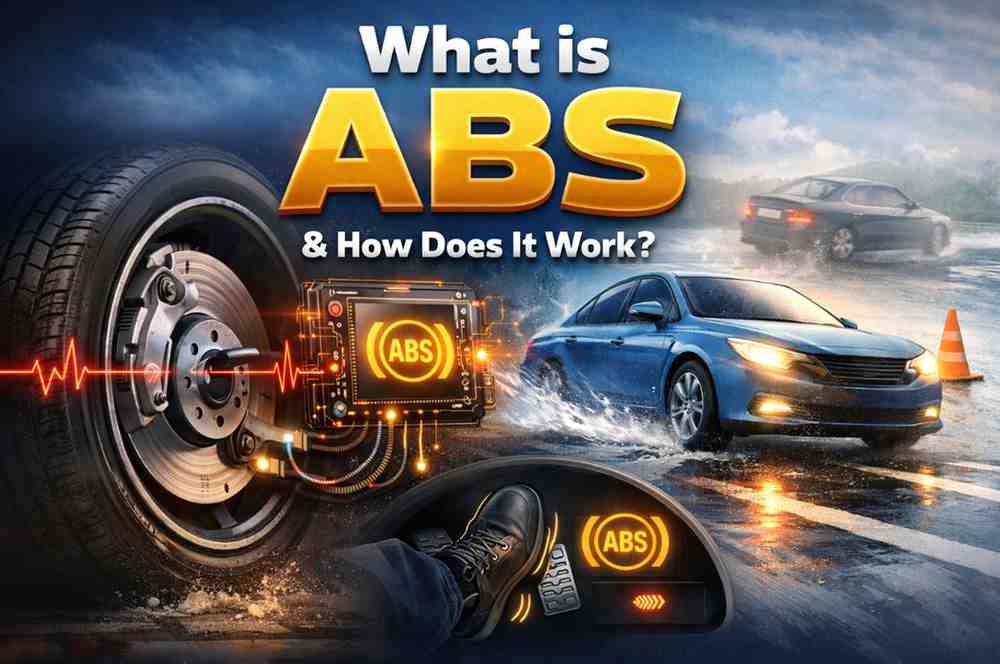
by ABS, or Anti-lock Braking System, is an automated safety feature designed to keep your wheels from “locking up” during sudden or intense braking. When wheels lock, they stop rotating and begin to slide across the road surface, causing the driver to lose steering control. ABS prevents this by automatically modulating brake pressure, ensuring the tires maintain traction so you can steer your way out of a potential collision.
Key Factors to Consider
Before diving into the technical details, keep these fundamental concepts in mind:
- Safety Assistance: ABS is a driver-assist feature, not a replacement for attentive, careful driving habits.
- Steering vs. Distance: The primary goal of ABS is to improve steering control during a crisis; it does not always shorten your total braking distance.
- Vibration is Normal: Unlike traditional brakes, ABS creates a distinct pulsing or vibrating sensation in the pedal when it is active.
- Maintenance Matters: To function at peak efficiency, the system requires clean sensors and high-quality, fresh brake fluid.
Detailed Breakdown: How ABS Works
The ABS acts as the “brain” of your braking system, constantly monitoring wheel behavior and intervening in milliseconds. It relies on four integrated components:
The Core Components
- Speed Sensors: These are located on each wheel or axle to track rotation speed. They detect if a wheel is about to stop rotating much faster than the vehicle is slowing down.
- ABS Controller (ECU): This on-board computer receives data from the sensors and determines exactly when to intervene by adjusting brake pressure.
- Valves: Situated in the brake lines, these valves can increase, hold, or release pressure to individual wheels independently of how hard the driver is pressing the pedal.
- Pump: When the valves release pressure to prevent a skid, the pump instantly restores that pressure so braking force can be reapplied effectively.
During an emergency stop, this cycle repeats 15 to 20 times per second, which creates the signature “pulsing” feel under your foot.
Pros & Cons
Pros
- Maintaining Control: It allows you to steer around obstacles even while you are fully engaged in an emergency stop.
- Stability on Slippery Roads: Significantly improves vehicle stability on wet, icy, or uneven surfaces.
- Tire Health: Prevents tires from developing “flat spots” caused by skidding on pavement.
Cons
- Surface Inconsistency: On loose surfaces like deep snow, gravel, or sand, ABS may actually increase stopping distances because it prevents the tires from “digging in”.
- Maintenance Costs: Replacing specialized speed sensors or the electronic controller can be more expensive than standard brake repairs.
- Driver Panic: Unfamiliar drivers may be startled by the pedal vibration and accidentally release the brakes.
Expert Tips for Effective Use
- Stomp and Stay: In an emergency, apply firm, continuous pressure to the brake pedal. Do not pump the brakes yourself, as this interferes with the computer’s ability to do its job.
- Trust the Pulse: If the pedal vibrates or you hear a clicking sound, keep your foot down, this indicates the system is working exactly as intended.
- Sensor Hygiene: Have your wheel sensors inspected and cleaned periodically, as road grime and brake dust can lead to system malfunctions.
Common Mistakes to Avoid
- Releasing the Pedal: The most common mistake is letting go of the brake when the vibration starts. This results in a complete loss of braking power.
- Ignoring the Warning Light: If the ABS light on your dashboard stays on, the system is deactivated. Your standard brakes will still work, but you will lose your anti-lock protection.
- Tailgating: ABS cannot defy the laws of physics. Always maintain a safe following distance of at least three seconds to ensure you have enough space to stop.
FAQs
Q: What exactly activates the ABS?
A: It activates during hard or sudden braking when the computer detects that one or more wheels are about to lock and slide.
Q: Can a car drive without ABS?
A: Yes, the vehicle’s standard hydraulic brakes will still function, but the safety net of anti-lock control will be missing, significantly increasing the risk of a skid.
Q: How often should I flush the brake fluid?
A: Most experts recommend a flush every 2 to 3 years to keep the delicate ABS valves from corroding due to moisture or dirt.
Final Verdict
The Anti-lock Braking System is a vital safety advancement that has redefined how we handle vehicles in critical moments. While it requires professional maintenance and a specific “stomp and stay” driving technique, its ability to allow simultaneous braking and steering is an invaluable asset. By understanding what is ABS and how does it work, you can drive with greater confidence and ensure your vehicle remains a reliable tool for your safety