 by
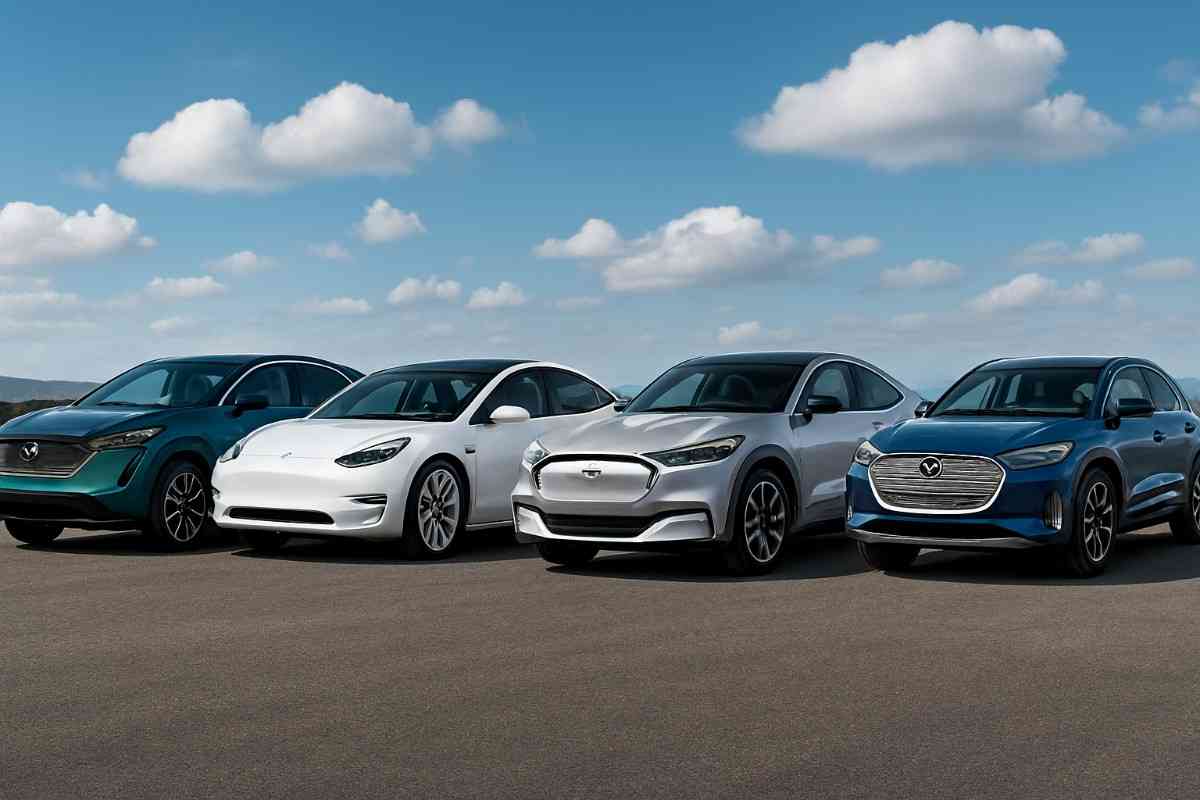
by As we move into 2026, the transition to electric mobility has shifted from a niche trend to a mainstream reality. Whether you are motivated by environmental concerns, the desire for cutting-edge technology, or simply wanting to escape rising fuel costs, the current market offers more diversity than ever before. This guide combines expert insights to help you navigate the top electric vehicle (EV) choices for the coming year.
Introduction
The electric car landscape has reached a pivotal tipping point. No longer just a “futuristic concept,” EVs now account for a significant portion of new car sales globally. Driven by aggressive government targets for zero-emission vehicles and massive manufacturer investment, modern electric cars offer instant torque for smooth acceleration, silent cabins for a stress-free commute, and running costs that are far lower than traditional petrol or diesel models.
Key Factors to Consider Before Buying
Choosing the right EV requires looking beyond the sticker price. Before committing, evaluate these practical elements:
- Real-World Range: While manufacturers provide estimated “WLTP” figures, actual performance varies based on terrain, driving speed, and weather. Aim for a model with at least 300 km of real-world range to maintain flexibility.
- Charging Logistics: Home charging is highly recommended for both convenience and cost-effectiveness. If you travel long distances frequently, prioritize a vehicle with a high-voltage (800-volt) architecture, which can charge from 10% to 80% in under 20 minutes.
- Total Cost of Ownership: Although the upfront purchase price is often higher, EVs attract lower tax rates and require significantly less frequent servicing, leading to long-term savings.
Top Picks for 2026: A Detailed Breakdown
Best Overall & Family EVs
- Tesla Model Y Premium: This remains a global leader due to its unrivaled blend of tech leadership, spaciousness, and range of up to 357 miles. Recent refinements have further improved its ride quality.
- Hyundai Ioniq 5: A top-tier alternative known for its “retro-futurist” design and ultra-fast charging speeds. It offers a balanced, ergonomic cabin that feels more familiar to those transitioning from traditional cars.
- Kia EV9: For those needing a luxurious three-row SUV, the EV9 provides exceptional space and advanced tech for large families.
Best Compact & Executive Choices
- Skoda Enyaq: A practical favorite for families who prioritize utility, offering a massive 585-litre boot and refined ride quality.
- BMW i5: Combining premium luxury with refined driving dynamics, this is the ideal choice for buyers looking to upgrade from executive petrol sedans.
- Jeep Avenger EV: A stylish and compact option that is perfectly suited for urban environments and daily city commuting.
Pros & Cons of the 2026 EV Market
The Advantages:
- Performance: Instant torque delivers quick acceleration and easy overtaking.
- Simplicity: With no gearboxes and the ability for “one-pedal driving,” the experience is smooth and quiet.
- Eco-Impact: Zero tailpipe emissions directly help minimize your personal carbon footprint.
The Challenges:
- Initial Investment: Upfront costs still tend to be higher than combustion-engine counterparts.
- Infrastructure Gaps: Public charging access varies greatly by location, which can cause range anxiety for those without home chargers.
Expert Tips for Future Owners
- Test for Real-World Use: During a test drive, focus on the intuitiveness of the infotainment system since most car functions are now software-controlled—and the feel of the regenerative braking.
- Don’t Overbuy Range: If you primarily drive short distances, a smaller, lighter battery can save you thousands in purchase costs.
- Leasing as a Strategy: Because EV technology and software are evolving rapidly, leasing can be a smart way to enjoy the latest models without worrying about long-term depreciation.
Common Mistakes to Avoid
- Trusting Only Claimed Numbers: Never buy an EV based solely on the brochure’s range; research how it performs in cold weather or at highway speeds.
- Ignoring Hidden Costs: Always verify if essentials, like three-pin charging cables or specific safety features, are included or are expensive add-ons.
- Overlooking Warranty: Ensure you fully understand the battery coverage, which typically lasts 8–10 years in modern models.
FAQs
- Are EVs actually cheaper to run? Yes. Electricity is generally cheaper than fuel, and with fewer moving parts, maintenance costs are significantly lower.
- Can I take an EV on a long road trip? Absolutely. Modern EVs with rapid-charging capabilities and smart route-planning software make long-distance travel easy via growing public networks.
- How long do batteries last? Most modern batteries come with 5-to-8-year warranties and are designed to last the typical life of the vehicle.
Final Verdict
The electric vehicle market in 2026 offers a solution for every type of driver from the performance-focused Porsche Taycan to the rugged Jeep Avenger and the refined BMW i5. By matching your daily mileage to the right battery size and securing a reliable charging plan, you can transition to electric with total confidence and enjoy a more sustainable, high-tech driving experience.