 by
by 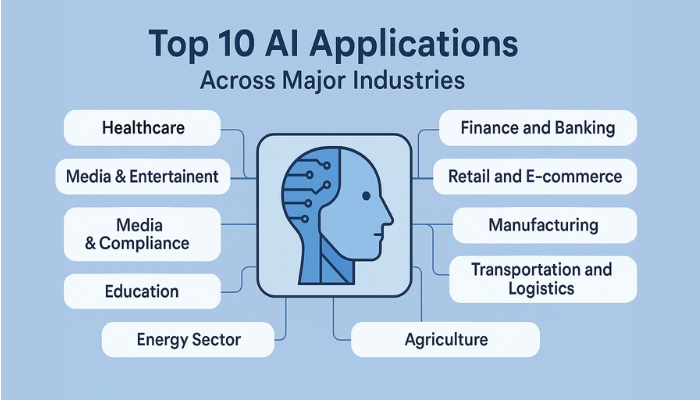
What is Artificial Intelligence?
Artificial Intelligence is technology that allows machines to perform tasks that would usually require human intelligence. This includes things like learning from experience, recognizing patterns, understanding language, and making decisions. AI works by processing large amounts of data to identify patterns and then using these patterns to predict outcomes or solve problems. Instead of relying on human input for every decision, AI systems can analyze information, adapt, and improve over time.
So now that you know what AI is all about, let’s talk about its benefits across different industries.
Artificial Intelligence (AI) is no longer limited to research labs or tech companies. Today, it is actively transforming major industries by improving efficiency, accuracy, and decision-making. From healthcare and finance to agriculture and energy, AI applications are reshaping how businesses operate and deliver value.
This article explores the top 10 AI applications across major industries and how they are making a real-world impact.

1. AI in Healthcare
AI is revolutionizing healthcare by enabling faster diagnosis, personalized treatment, and efficient patient care. Advanced algorithms analyze medical images, patient data, and clinical records to assist doctors in making accurate decisions.
Applications include:
-
Disease detection and diagnosis
-
Medical imaging analysis
-
Drug discovery
-
Virtual health assistants
2. AI in Finance and Banking
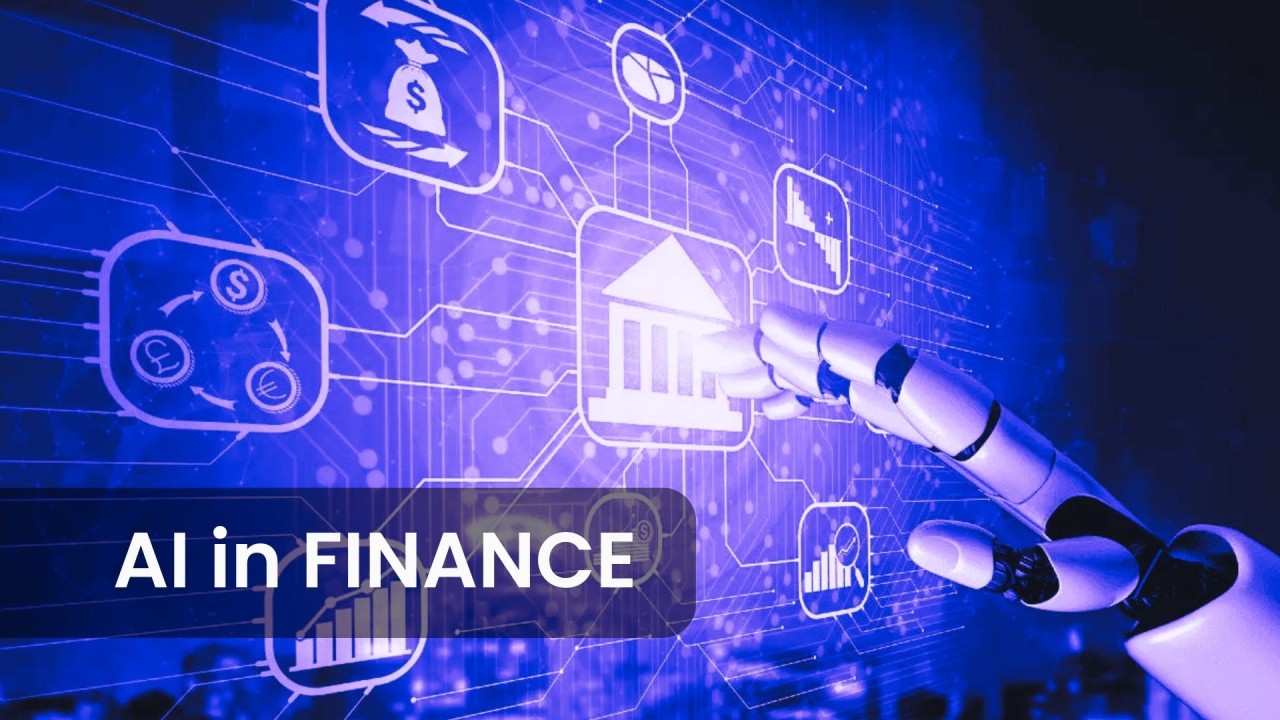
The finance and banking sector uses AI to enhance security, automate operations, and improve customer service. AI systems analyze large volumes of financial data in real time.
Applications include:
-
Fraud detection
-
Credit scoring and risk analysis
-
Algorithmic trading
-
AI chatbots for customer support
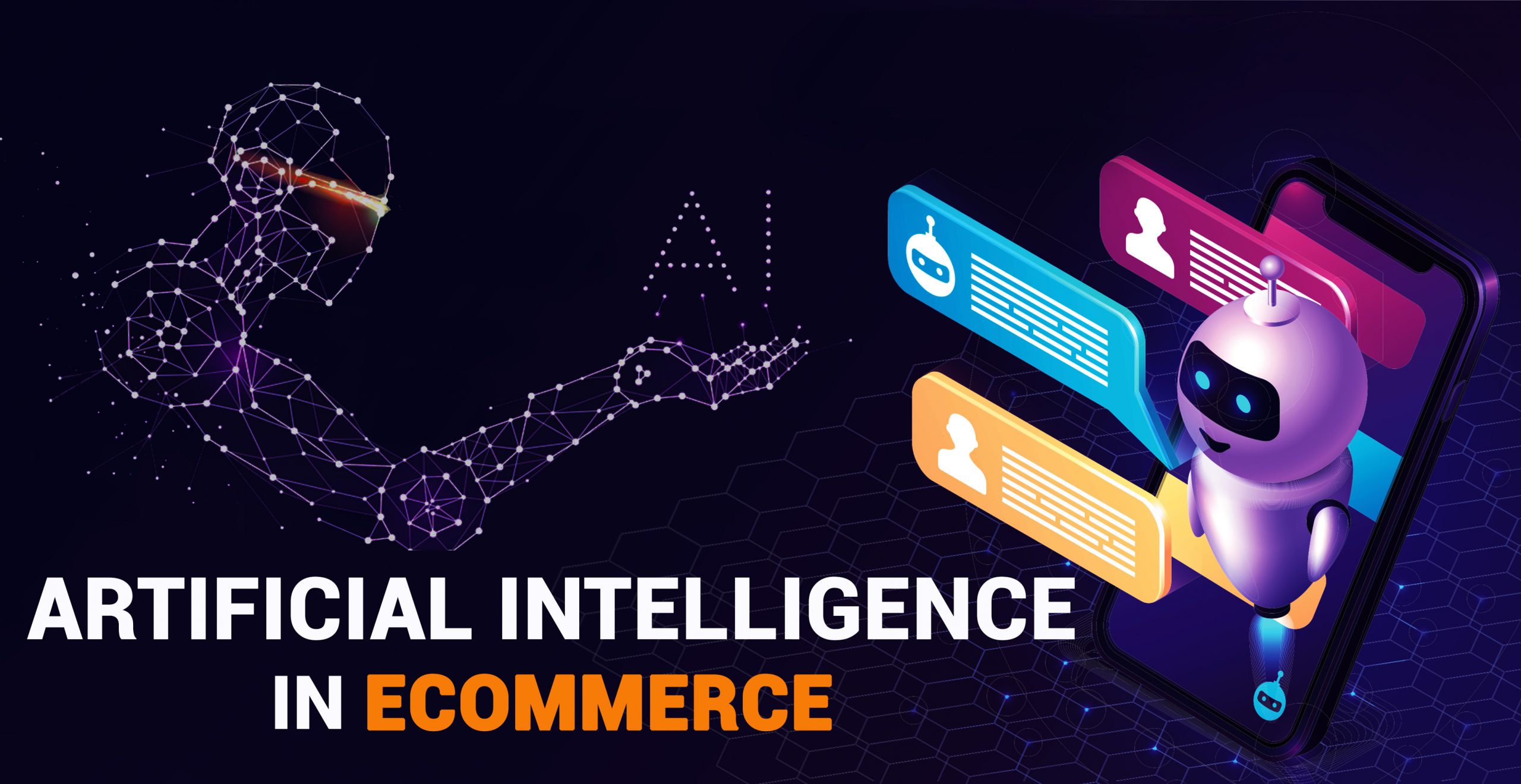
3. AI in Retail and E-Commerce
AI helps retailers understand customer preferences and deliver personalized shopping experiences. It also improves inventory management and sales forecasting.
Applications include:
-
Product recommendations
-
Customer behavior analysis
-
Demand forecasting
-
Personalized marketing
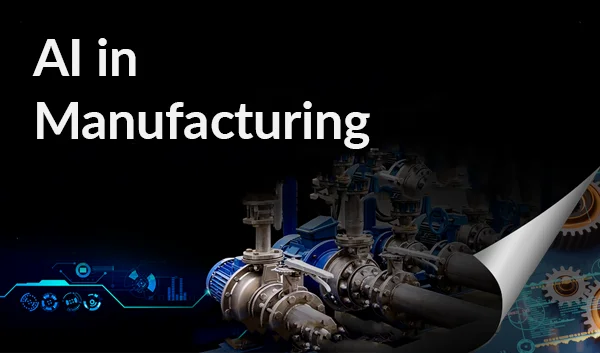
4. AI in Manufacturing
In manufacturing, AI improves efficiency, reduces downtime, and ensures product quality. Smart factories rely on AI-driven automation and analytics.
Applications include:
-
Predictive maintenance
-
Quality inspection
-
Industrial robotics
-
Process optimization

5. AI in Transportation and Logistics
AI enhances transportation systems by improving safety, reducing fuel costs, and optimizing delivery routes.
Applications include:
-
Autonomous vehicles
-
Route and traffic optimization
-
Fleet management
-
Supply chain automation

6. AI in Agriculture
AI enables precision farming by analyzing data from soil, weather, and crops. This helps farmers increase productivity while reducing waste.
Applications include:
-
Crop health monitoring
-
Smart irrigation systems
-
Yield prediction
-
AI-powered drones
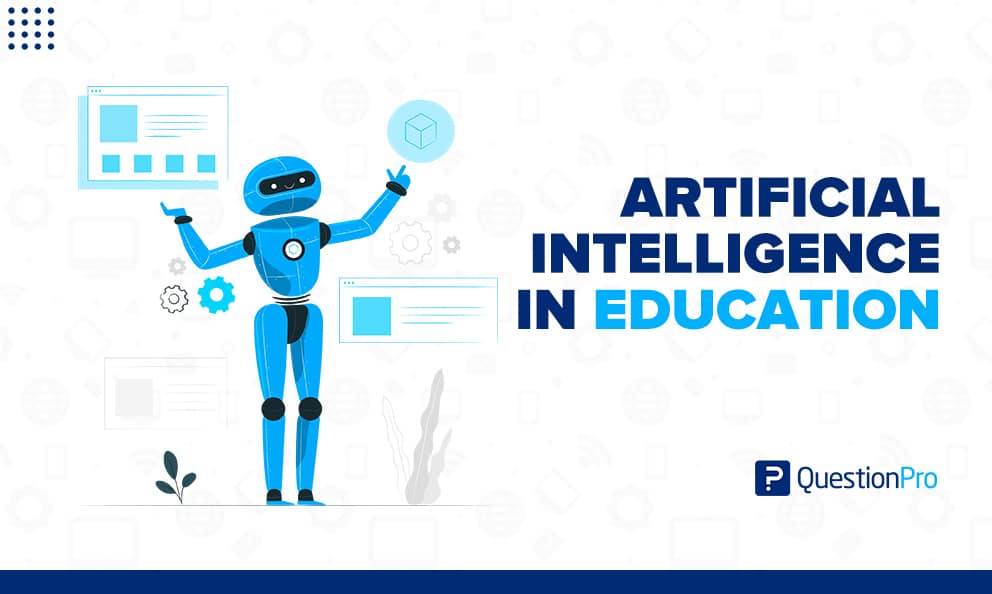
7. AI in Education
AI is transforming education through personalized learning and intelligent tutoring systems that adapt to student needs.
Applications include:
-
Personalized learning platforms
-
Automated grading
-
Student performance analysis
-
Virtual tutors
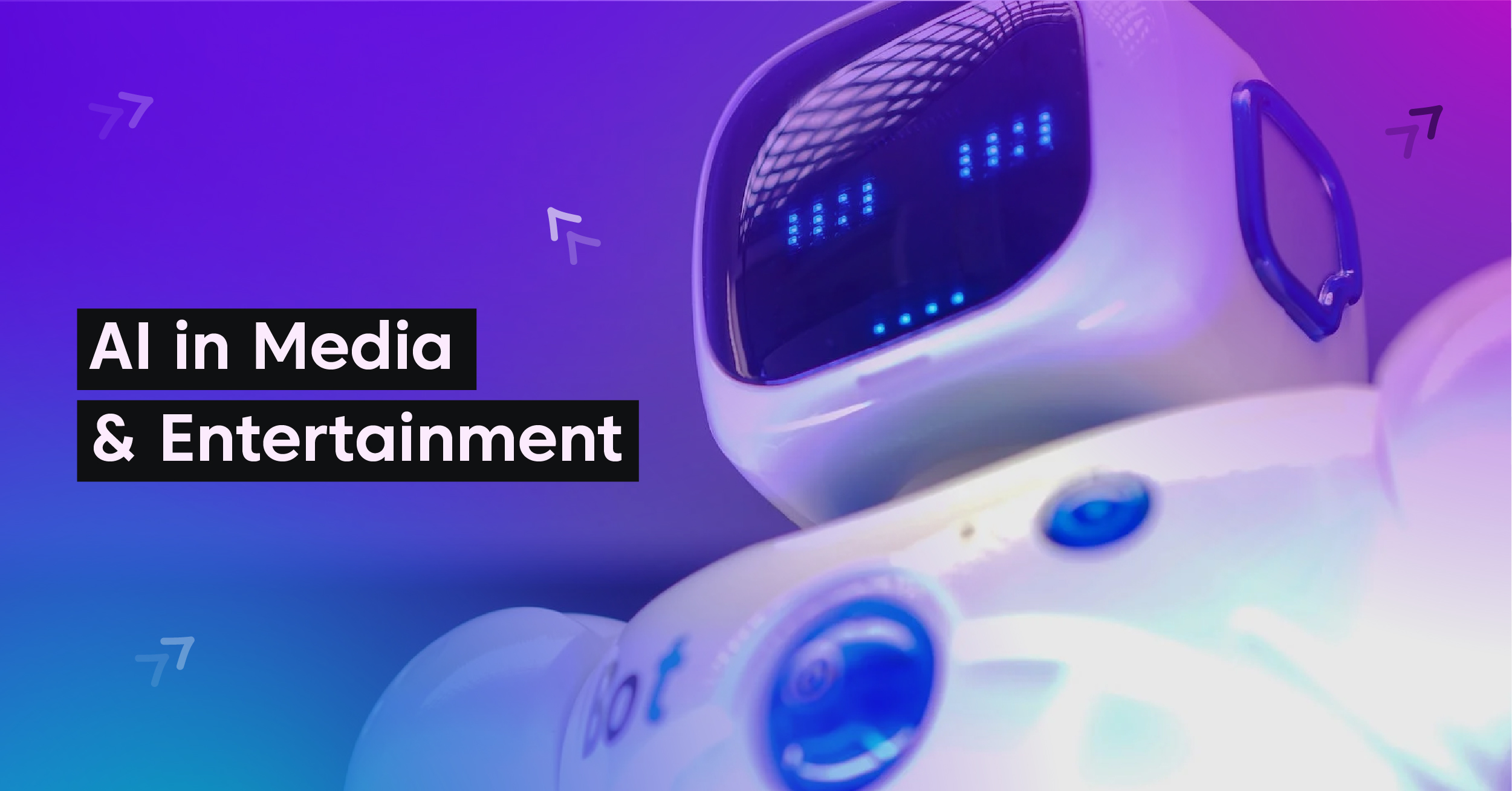
8. AI in Media and Entertainment
AI plays a key role in content creation, recommendation, and audience engagement within the media and entertainment industry.
Applications include:
-
Content recommendation engines
-
AI-generated music and videos
-
Video editing and enhancement
-
Audience analytics

9. AI in the Energy Sector
AI supports sustainability and efficiency in the energy sector by optimizing energy production and distribution.
Applications include:
-
Smart grid management
-
Energy demand forecasting
-
Predictive maintenance
-
Renewable energy optimization

10. AI in Legal, Media, and Compliance
AI simplifies legal and compliance processes by automating document review and regulatory monitoring.
Applications include:
-
Legal document analysis
-
Contract management
-
Compliance monitoring
-
Automated legal research
Conclusion
AI applications are transforming every major industry by improving efficiency, reducing costs, and enabling smarter decisions. As AI technology continues to evolve, its role across healthcare, finance, manufacturing, education, and other sectors will continue to expand.
Organizations that adopt AI early will gain a competitive advantage in the digital future.