 by
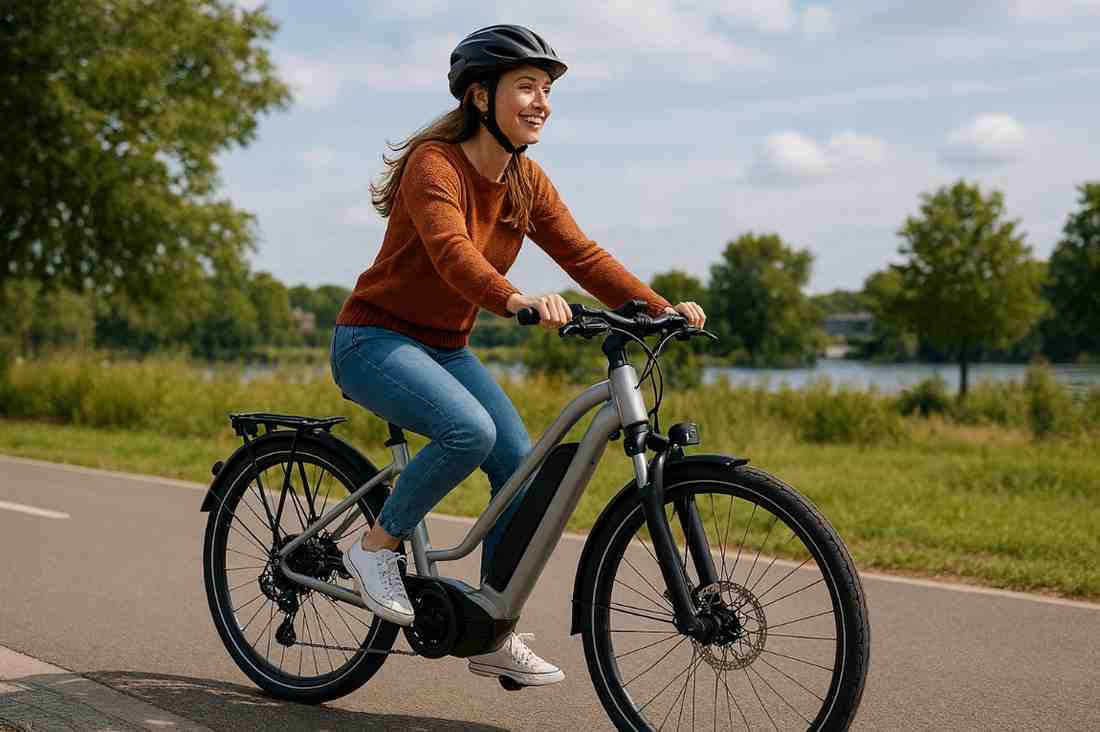
by Electric bikes are no longer just a trend, they are quickly becoming a mainstream mode of transportation. From daily commuting to short city rides, people across all age groups are choosing electric bikes over traditional petrol vehicles. Rising fuel costs, environmental concerns, and improved technology are the main reasons why electric bikes are becoming popular worldwide.
In this automobile guide, we’ll explain everything you need to know from benefits and drawbacks to expert tips so you can decide whether an electric bike is right for you.
Key Factors to Consider
Before joining the e-bike revolution, consider these critical elements that influence performance and usability:
- Battery Technology: Modern e-bikes primarily use lithium-ion batteries, which are more energy-efficient and lightweight than traditional lead-acid versions.
- Motor Type: Options include hub motors (affordable, best for flat terrain) and mid-drive motors (positioned near the pedals for better balance and hill climbing).
- Intended Use: Determine if you need a commuter model for city streets, a foldable bike for easy storage and public transport, or a cargo bike for carrying groceries or children.
Detailed Breakdown: Why Electric Bikes Are Becoming Popular
1. Lower Running & Maintenance Costs
Electric bikes are significantly cheaper to run than petrol bikes. Charging an e-bike costs far less than refueling a petrol vehicle, and fewer moving parts mean lower maintenance expenses. This makes them ideal for daily city commuting.
2. Environment-Friendly Transportation
Electric bikes produce zero tailpipe emissions. As governments push for reduced carbon emissions, e-bikes offer a cleaner alternative to traditional vehicles, helping users contribute to a greener environment.
3. Strong Performance & Instant Torque
Unlike petrol bikes, electric bikes deliver instant torque, resulting in smooth acceleration and effortless riding, even on slopes. This makes city riding more comfortable and enjoyable.
4. Perfect for Urban Traffic
Electric bikes are compact, silent, and easy to maneuver in traffic-heavy areas. Foldable models are especially popular in metro cities, as they reduce congestion and parking problems.
5. Easy Home Charging
Most electric bikes can be charged at home using a standard power outlet. Battery life typically ranges between 5–7 years depending on usage and charging cycles, making them practical for everyday use.
6. Health Benefits Without Overexertion
With pedal-assist technology, riders can stay active without exhausting themselves. This is especially helpful for older adults or people with mobility limitations.
Pros & Cons of Electric Bikes
Pros
- Health Benefits: Improves cardiovascular health and muscle strength through low-impact exercise.
- Reduced Congestion: Compact and easy to navigate through heavy traffic.
- Convenience: Foldable models are easy to store in small apartments or carry on public transport.
- Quiet Operation: Chainless models or those with well-designed motors cause virtually no noise pollution.
Cons
- Higher Upfront Cost: Initial purchase price is typically 20-30% higher than traditional or petrol bikes.
- Weight: E-bikes are heavier due to the motor and battery, making them harder to carry up stairs.
- Charging Infrastructure: In some regions, finding public fast-chargers can be difficult.
Expert Tips
- Match the Bike to Your Terrain: If your commute involves many hills, prioritize a mid-drive motor with high torque.
- Battery Care: For long-term storage, keep your battery charged between 30% and 60% and avoid exposing it to extreme cold.
- Maintenance Schedule: Perform a basic tune-up every 500–1,000 miles or every 3–6 months to ensure safety.
- Test Before You Buy: Always take a test ride to ensure the frame size and assist levels feel natural to you.
Common Mistakes to Avoid
- Ignoring battery quality
- Buying only based on price
- Not checking service network availability
- Overlooking insurance requirements
- Assuming all electric bikes don’t need a license
Avoiding these mistakes ensures a better ownership experience.
FAQs
Do electric bikes need a license in India?
Electric bikes with a top speed up to 25 km/h do not require a driving license or registration. Faster models do.
Are electric bikes cheaper than petrol bikes?
Yes, while upfront costs are higher, electric bikes are much cheaper in the long run due to low running and maintenance costs.
How long does an electric bike battery last?
On average, 5–7 years depending on usage and charging habits.
Are electric bikes good for daily commuting?
Absolutely. They are cost-effective, easy to ride, and ideal for city traffic.
Final Verdict
The rising popularity of electric bikes is driven by affordability, performance, eco-friendliness, and convenience. As technology improves and charging infrastructure expands, electric bikes are becoming a smart alternative to petrol vehicles.
If you’re looking for a cost-effective and future-ready commuting option, an electric bike is a practical choice worth considering.